As an Amazon Associate I earn from qualifying purchases.
Key Takeaways
- Discover the top 5 workouts that are perfect for women over 50
- Learn how to maintain a consistent fitness routine
- Understand the importance of exercises that promote overall well-being
- Find out how to make fitness a enjoyable and sustainable part of your life
- Get tips on how to boost your energy levels with the right workouts
My Fitness Journey After Turning 50
Turning 50 made me more aware of my body’s needs. I noticed big changes in my health and fitness.
The Changes I Noticed in My Body
My metabolism slowed down after 50. My body composition changed too. I lost muscle and gained fat, especially around my waist.
My joints aren’t as flexible anymore. I feel stiffer, especially in the mornings. These changes made me realize I needed to change my exercise routine.
Why I Needed to Adapt My Exercise Routine
My old workout routine wasn’t working anymore. I needed exercises that were easy on my joints but still kept me fit. I started doing low-impact exercises like water aerobics, yoga, and brisk walking.
These activities helped me physically and mentally. By changing my routine, I stayed active and healthy, embracing this new chapter of my life.
The Best Workouts for Women Over 50: Finding What Works
As I entered my 50s, I learned the importance of finding the right workout. It’s key for staying healthy and happy. I’ve become more aware of my body’s changing needs.
Physical Changes That Affect Exercise Choices
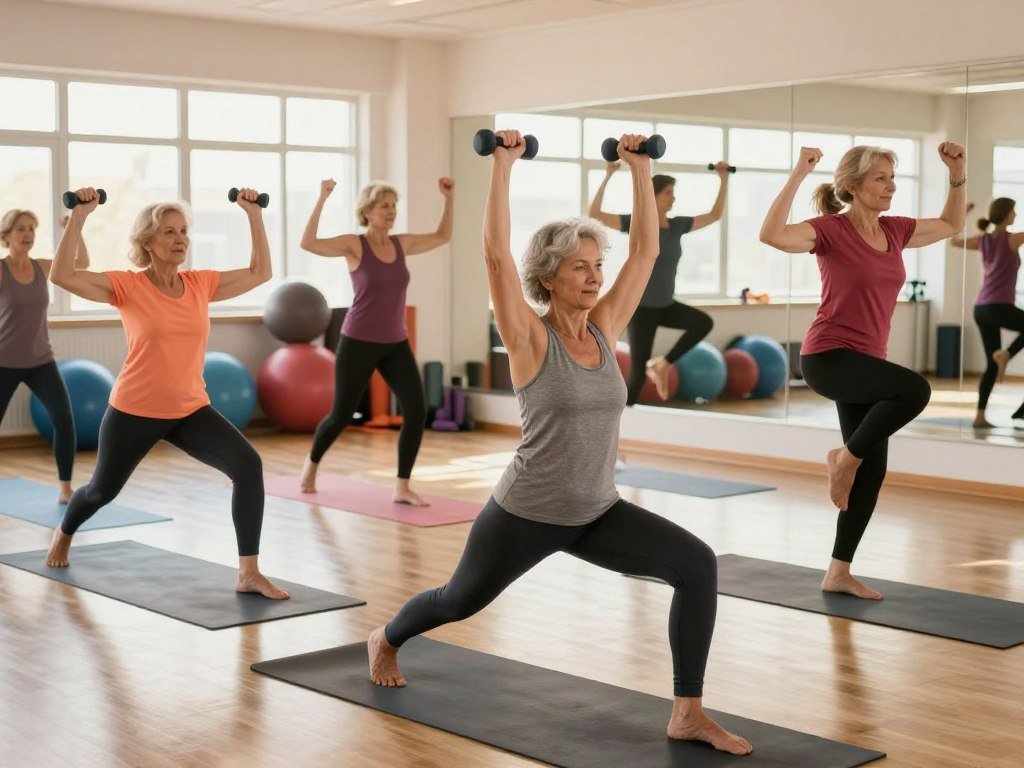
Turning 50 brought big physical changes that changed my workout routine. Less muscle, reduced flexibility, and joint issues are common. These changes mean I need to focus on low-impact workouts that are easier on my body but still effective.
- Less muscle means I need to do strength training.
- Less flexibility means I should do exercises that help with flexibility.
- Joint issues mean I need to do low-impact activities.
Finding the Right Balance of Intensity
Finding the right balance of intensity is key. Too little exercise isn’t good, and too much can hurt. I found that mixing low-intensity activities like yoga or walking with more intense workouts like strength training works well. This mix allows for recovery and keeps things challenging.
Some important things to remember are:
- Listen to your body and adjust the intensity as needed.
- Try different workouts to avoid getting stuck.
- Make sure to rest and recover enough.
Water Aerobics: My Joint-Friendly Favorite
Water aerobics is key to my fitness after 50. It’s a low-impact workout that’s very effective. It helps with menopause and aging joints in ways other exercises can’t.
I love water aerobics because it’s easy on my joints. Water makes it easier to move without putting too much strain on my joints. This is perfect for someone in their 50s.
How Water Supports Aging Joints
The water’s buoyancy is amazing for my joints. It lets me move without the strain of weight-bearing exercises. This is especially good during menopause, when joint health is a big worry.
My Weekly Water Workout Routine
I do water aerobics three times a week. My workouts mix aerobic exercises, strength training, and flexibility moves in the water. This mix keeps my workouts fun and makes sure I’m getting a full workout.
Benefits I’ve Experienced from Aquatic Exercise
Water aerobics has really helped me. My joint pain has decreased, and my heart health has improved. Plus, the group classes are a great motivator, helping me stick to my routine.
Water aerobics has been a joint-friendly way for me to stay fit without hurting my joints. It shows how important it is to adjust our workouts as we age, finding activities that support our changing bodies.
Yoga for Flexibility and Balance After 50
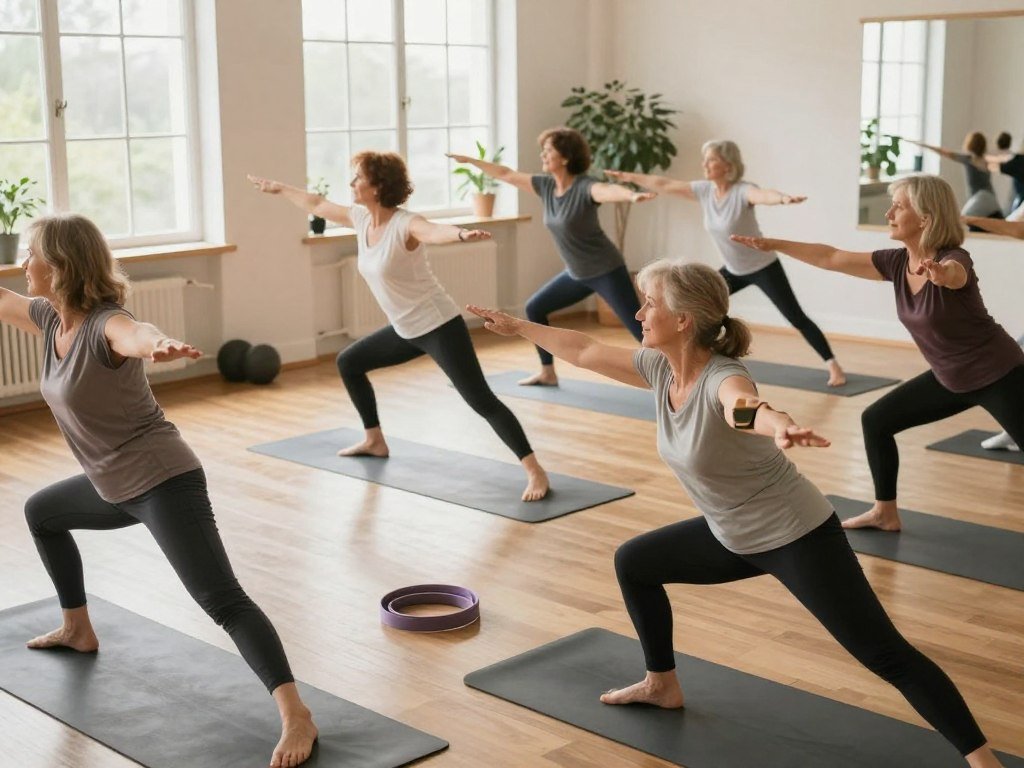
My yoga journey started after I turned 50. It has changed my body and mind. Yoga helps me stay flexible and balanced, which is key as I age.
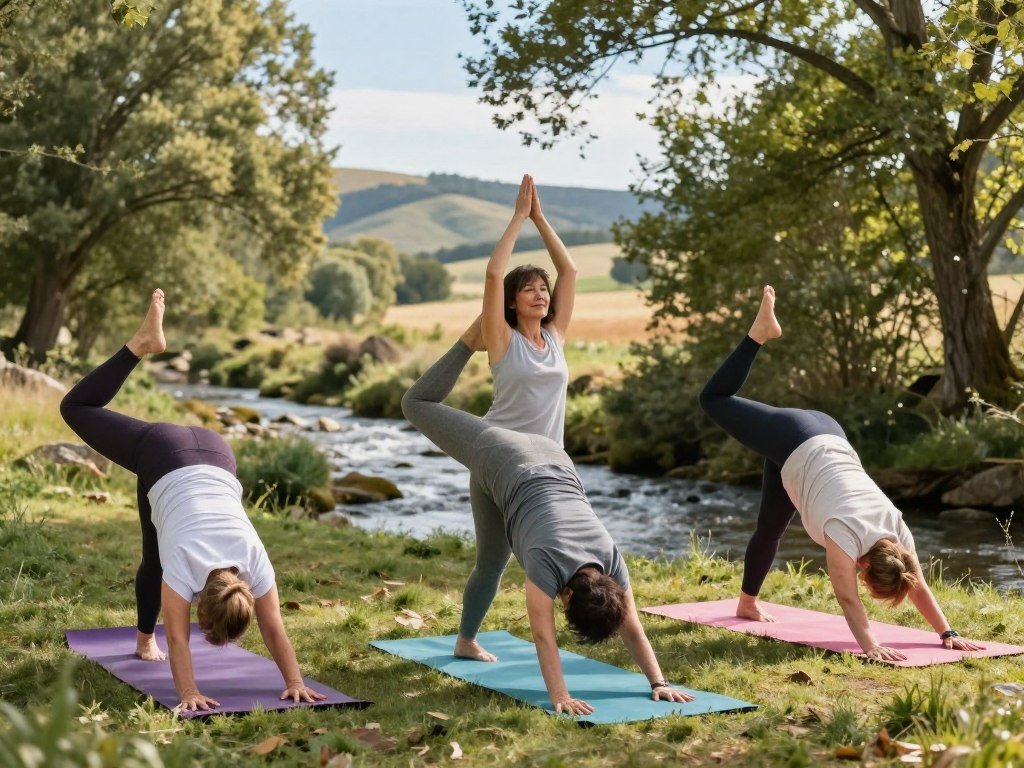
Yoga is great for women over 50. It boosts flexibility and balance and improves overall health.
Modifications I Make for Common Poses
I’ve learned to adjust yoga poses to fit my body. For example, in Tree Pose, I use a block for balance. In Downward-Facing Dog, I bend my knees to protect my hamstrings and back.
These changes help me enjoy yoga safely. It’s about listening to my body and being kind to myself.
How Yoga Improved My Daily Movement
Yoga has made everyday movements easier. Bending to pick things up or reaching high shelves is less straining now.
My posture has also improved. This has reduced back pain and boosted my confidence.
My Favorite Gentle Yoga Sequences
I love gentle yoga sequences that focus on flexibility and calm. My favorite includes Child’s Pose, Cat-Cow, and Seated Forward Fold.
| Pose | Benefits | Modifications |
|---|---|---|
| Child’s Pose | Relaxes the back and hips | Use a pillow under the forehead |
| Cat-Cow | Improves spinal flexibility | Slow down the movements |
| Seated Forward Fold | Stretches the hamstrings and back | Bend the knees or use a strap |
These sequences help me relax and stay flexible. They are a big part of my yoga routine.
Low-Impact Strength Training That Preserves My Muscle Mass
After 50, I started doing strength training and it changed my life. We lose muscle as we get older, a problem called sarcopenia. Strength training fights this, boosting health and function. Plus, it’s easy on my joints.
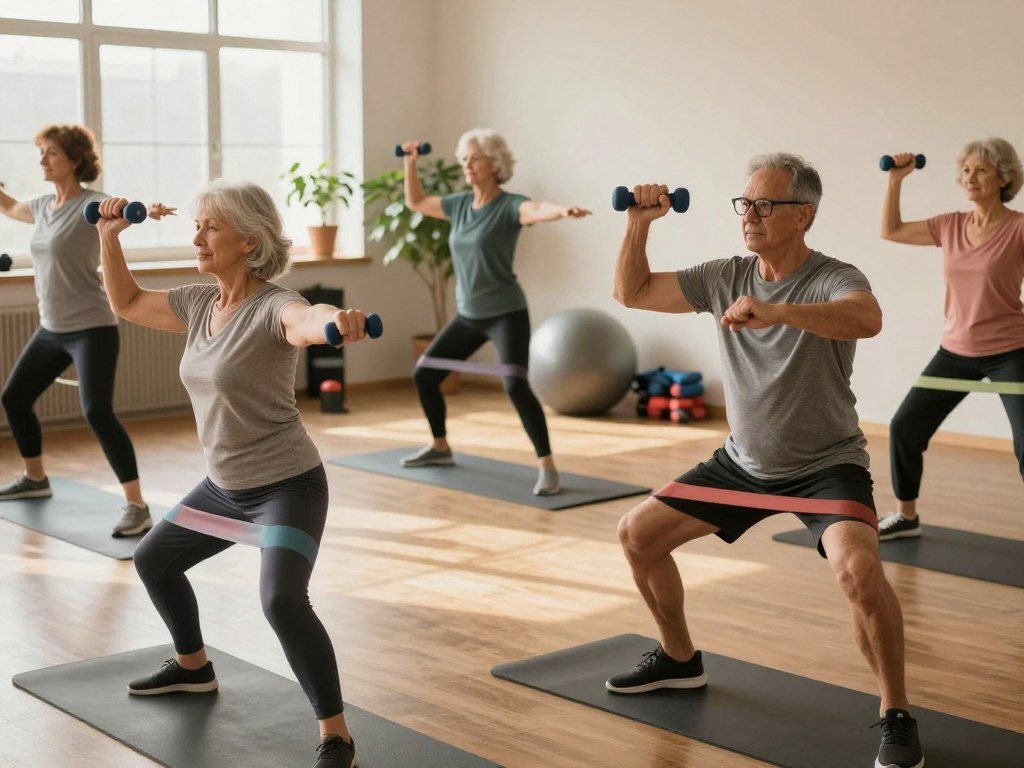
My Favorite Resistance Band Exercises
Resistance bands are great for home workouts. I love doing banded squats, chest presses, and rows. They work big muscles without hurting my joints. I do 2-3 sets of 12-15 reps for each.
Bodyweight Movements That Work for Me
Bodyweight exercises are also super effective. I do squats, lunges, and push-ups that fit my level. They build muscle and improve balance. I mix things up to keep it fun and challenging.
How I Schedule Strength Training in My Week
I try to strength train 2-3 times a week, with rest days in between. My routine mixes resistance bands and bodyweight exercises. I space out my workouts to let my muscles recover. Sticking to it is crucial for results and keeping muscle.
| Day | Exercise | Sets/Reps |
|---|---|---|
| Monday | Banded Squats | 3 sets of 12 reps |
| Wednesday | Bodyweight Lunges | 3 sets of 15 reps |
| Friday | Push-ups | 3 sets of 10 reps |
Walking and Hiking: My Cardiovascular Foundation
Walking and hiking are more than just exercises for me. They help me stay connected with nature and keep my heart healthy after 50. As I’ve grown older, I’ve learned to appreciate their simplicity and effectiveness in keeping my heart strong and my spirit high.
Building Up My Walking Routine Gradually
At first, I could only manage short walks around my neighborhood. But I was determined to get better. I started with small goals, like walking for 10 minutes without stopping. Then, I gradually increased my time and distance over the weeks.
This slow and steady approach helped me avoid injuries and stay motivated. It was a great way to build up my endurance.
Some key strategies that helped me include:
- Starting with short, manageable walks
- Gradually increasing duration and intensity
- Incorporating varied terrain to keep things interesting
How Nature Walks Benefit My Mental Health
Nature walks do more than just improve my cardiovascular health. They also have a big impact on my mental well-being. Being in nature reduces stress and anxiety, improves my mood, and brings a sense of calm.
Walking in natural settings helps me clear my mind and feel more connected to the world. The benefits I’ve experienced include:
- Reduced stress levels
- Improved mood and overall sense of well-being
- A greater sense of connection to nature
My Essential Gear for Comfortable Walking
To ensure comfortable walking, I’ve invested in several key pieces of gear. My comfortable walking shoes are a must, providing the necessary support and cushioning for long walks. I also wear moisture-wicking clothing to keep me dry and comfortable, no matter the weather.
Some of my essential gear includes:
| Gear | Benefit |
|---|---|
| Comfortable walking shoes | Support and cushioning |
| Moisture-wicking clothing | Keeps me dry and comfortable |
| Water bottle | Staying hydrated on long walks |
Gentle Pilates for Core Strength and Posture
As I’ve grown older, I’ve found that gentle Pilates is great for my core and posture. It’s especially helpful in my 50s, tackling changes from aging and menopause.
My Modified Pilates Routine
I’ve made my Pilates routine fit my needs and abilities. It includes soft movements that work on core strength, flexibility, and alignment. Doing Pilates twice a week keeps my core strong and posture good.
How Pilates Helps My Back Pain
Pilates has really helped with my back pain. It strengthens my core and improves my posture, reducing pain. Its gentle, low-impact style is perfect for women over 50 with menopause symptoms.
Combining Pilates with Other Workouts
I mix Pilates with water aerobics and walking for a balanced fitness plan. This mix keeps my workouts fun and covers all parts of my health.
| Exercise Routine | Frequency | Benefits |
|---|---|---|
| Gentle Pilates | 2 times a week | Core strength, improved posture |
| Water Aerobics | 2 times a week | Cardiovascular health, joint-friendly |
| Walking | 3 times a week | Cardiovascular health, mental well-being |
Adding gentle Pilates to my routine has boosted my core strength and posture. Along with other low-impact exercises, it keeps me fit and healthy in my 50s.
Conclusion: Embracing Fitness in My 50s and Beyond
As I’ve entered my 50s, I’ve learned that fitness is more than just exercise. It’s about living a lifestyle that boosts my health. My routine includes water aerobics, yoga, low-impact strength training, walking, and gentle Pilates. These activities have not only improved my physical health but also my mental well-being.
These workouts for women over 50 have changed my life. They make staying fit both fun and rewarding. By sticking to a gentle fitness routine for women after 50, I’ve kept my muscles strong, improved my flexibility, and boosted my heart health.
My story shows that fitness for women over 50 is not only possible but crucial for a healthy life. I urge you to try different exercises and find what suits you best. This is the first step to a more lively and energetic you.
FAQ
What are the best low-impact exercises for women over 50?
Water aerobics, yoga, and walking are great for women over 50. They’re easy on the joints and boost health.
How can I start working out after 50 if I’m new to exercise?
Start with short, easy sessions and slowly add more time and effort. Always talk to a doctor before starting any new workout.
What are some feel-good workouts for women over 50?
Yoga, Pilates, and water aerobics are fun and mood-boosting. Choose something you like to keep exercising.
How can I exercise without injury after 50?
Listen to your body, warm up, and cool down to avoid injuries. Pick low-impact exercises that are easy on your joints.
What are the benefits of strength training for women over 50?
Strength training keeps muscles strong, bones dense, and health up. Try resistance bands or bodyweight exercises for a low-impact workout.
Can I combine different workouts, like Pilates and walking?
Yes, mixing workouts is good for a balanced routine. Pilates and walking together can strengthen your core and heart.
How often should I exercise as a woman over 50?
Do at least 150 minutes of moderate exercise weekly. Include strength training two or more times a week.
What are some joint-friendly workouts for women over 50?
Water aerobics, yoga, and cycling are great for joints. They’re low-impact and improve heart health without harming your joints.
How can I modify yoga poses if I’m a beginner or have mobility issues?
Many yoga poses can be adjusted for beginners or those with mobility issues. Use blocks, straps, or a yoga teacher to find the right modifications.
Amazon and the Amazon logo are trademarks of Amazon.com, Inc or it's affiliates.

- Best Foods to Boost Metabolism After 50 - March 8, 2026
- 7-Day Anti-Inflammatory Meal Plan for Women 50+ - March 8, 2026
- Weight Loss After 50 for Women: Why It Stops & Fixes - February 23, 2026