As an Amazon Associate I earn from qualifying purchases.
Turning fifty brings wisdom, but it also changes how your body uses energy. You might find it harder to stay fit than before. This is because your body’s engine slows down with age.
Choosing metabolism-boosting foods is a tasty way to regain your energy. Smart food choices support your health and keep your energy up. These small changes in your diet can lead to lasting wellness benefits.
Opting for nutrient-rich foods gives you the energy you need for a busy life. This way, you stay full and maintain a healthy weight without feeling left out. Adopting these habits makes you feel your best.
Many women find that changing their diet improves sleep and mood. Eating right for your life stage is a key act of self-care. You deserve to feel full of life and energy in this exciting time.
Key Takeaways
- Prioritize high-quality protein for muscle maintenance and repair.
- Drink plenty of water for metabolic efficiency throughout the day.
- Include fiber-rich vegetables for prolonged satiety and digestion.
- Add healthy fats like avocado for hormonal balance.
- Limit processed sugars for stable energy levels and weight control.
- Eat smaller, frequent meals for consistent glucose management.
Understanding Your Metabolism After 50
It’s important to know how metabolism changes after 50. This knowledge helps keep a healthy weight and overall health. As we age, our metabolism slows down, making it harder to lose weight and stay healthy.
Metabolism is how our body turns food into energy. After 50, this process gets less efficient. One key factor is the loss of muscle mass, which happens naturally with age. Muscle burns more calories than fat, so losing muscle mass slows metabolism.
Hormonal changes, especially in women during menopause, also play a role. Lower estrogen levels can make more body fat, especially around the belly. This not only slows down metabolism but also raises health risks.
After 50, we often move less and eat differently. This leads to burning fewer calories and eating more. These changes can make it harder to keep a healthy weight.
| Factors Affecting Metabolism After 50 | Description | Impact on Metabolism |
|---|---|---|
| Loss of Muscle Mass | Natural aging process leading to reduced muscle mass. | Decreases metabolic rate as muscle burns more calories than fat. |
| Hormonal Changes | Changes in hormone levels, especially during menopause. | Can lead to increased body fat and reduced metabolic efficiency. |
| Reduced Physical Activity | Decrease in physical activity with age. | Results in fewer calories burned, contributing to weight gain. |
Knowing these changes is the first step to managing metabolism after 50. Making smart diet and lifestyle choices can help. Eating best foods for metabolism over 50 is key to this strategy.
Why Metabolism Slows Down After Age 50
After 50, metabolism slows down for many reasons. As we age, our bodies change in ways that affect how we burn calories.
Hormonal Changes and Menopause
Hormonal shifts, especially in women during menopause, play a big role. Lower estrogen levels can lead to more fat accumulating around the belly. This change affects metabolism and health.
Estrogen’s role in metabolism is key. When estrogen levels drop, metabolism slows down. Knowing this helps manage weight and health in later years.
Natural Muscle Loss with Age
As we get older, we naturally lose muscle, known as sarcopenia. Muscle burns more calories than fat. So, losing muscle means burning fewer calories overall.
Resistance training helps keep muscle mass. Adding strength exercises to your routine boosts metabolic health.
Decreased Calorie Burning Capacity
Older bodies burn calories less efficiently. This is due to muscle loss and hormonal changes. It makes it harder to lose weight and can lead to gaining it.
| Factor | Impact on Metabolism | Potential Solution |
|---|---|---|
| Hormonal Changes | Decreased estrogen levels affect metabolic rate | Hormone Replacement Therapy (HRT) or lifestyle adjustments |
| Muscle Loss | Reduced muscle mass lowers energy expenditure | Resistance training and protein-rich diet |
| Calorie Burning Capacity | Inefficiency in metabolizing food | Dietary changes and increased physical activity |
It’s important to understand these factors to improve metabolic health after 50. By tackling hormonal changes, muscle loss, and calorie burning issues, we can better manage our metabolism.
Protein-Rich Foods to Boost Metabolism After 50
Protein-rich foods are key for boosting metabolism, especially for those over 50. As we get older, we lose muscle mass, which slows down our metabolism. Eating enough protein helps build and repair muscles, supporting a healthy metabolism.
Eggs: A Complete Protein Source
Eggs are a complete protein because they have all nine essential amino acids. These amino acids are crucial for muscle repair and growth. Adding eggs to your diet helps keep muscle mass, which is vital for a healthy metabolism.
Greek Yogurt for Sustained Energy
Greek yogurt is rich in protein and has probiotics for gut health. A healthy gut is linked to better metabolism. The protein in Greek yogurt keeps you full, helping with weight management.
Lean Chicken and Poultry
Lean chicken and poultry are great for protein and low in saturated fats. They provide the necessary building blocks for muscle maintenance and repair. Adding lean chicken and poultry to your meals boosts protein intake and supports metabolic health.
Cottage Cheese Benefits
Cottage cheese is high in protein and supports muscle health. It has casein protein, which is slowly digested and keeps you full. This is great for managing weight and supporting metabolic health.
How Protein Supports Your Metabolism
Protein boosts metabolism in several ways. It takes more energy to digest than carbs or fats, increasing your metabolic rate. Also, protein helps build and maintain muscle mass. The more muscle you have, the higher your resting metabolic rate.
Here’s a comparison of the protein content in some of the foods mentioned:
| Food | Protein Content per Serving |
|---|---|
| Eggs | 6-7 grams per large egg |
| Greek Yogurt | 20 grams per cup |
| Lean Chicken Breast | 31 grams per 3-ounce serving |
| Cottage Cheese | 28 grams per cup |
Adding these protein-rich foods to your diet can greatly improve your metabolic health. By choosing whole, nutrient-dense foods, you support your health and well-being as you age.
Fiber-Rich Foods for Metabolic Health
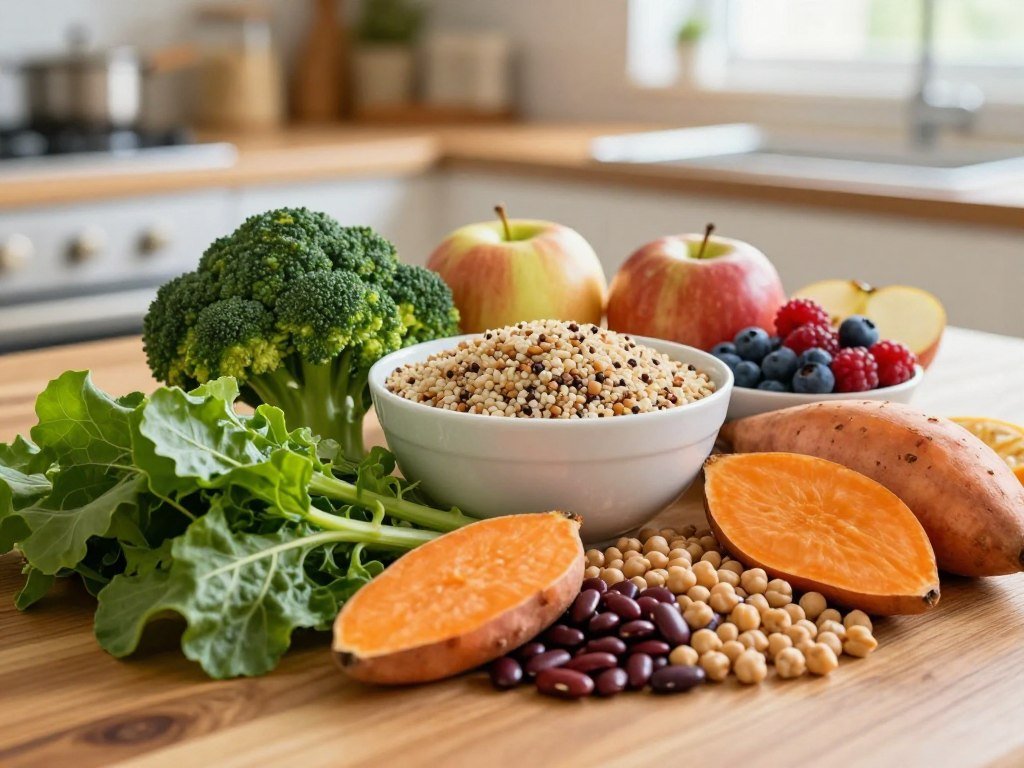
Eating a diet full of fiber is key for good metabolic health after 50. Fiber helps with digestion and makes you feel full. This can help with weight management.
Oats and Whole Grains
Oats and whole grains are packed with fiber. They slow down digestion, keeping you full longer. This can help prevent overeating and aid in weight control.
Adding oats and whole grains to your meals is easy. Try oatmeal for breakfast or whole-grain bread for sandwiches.
Beans and Legumes
Beans and legumes are high in fiber and protein. They’re great for boosting metabolic health. You can add them to many dishes, like soups and salads.
- Black beans
- Lentils
- Chickpeas
These foods are nutrient-dense and good for overall health, including metabolism.
Vegetables for Daily Nutrition
Vegetables are vital for a fiber-rich diet. They offer important nutrients and fiber, aiding digestion and metabolism. Try to eat a variety of veggies in your meals.
Some top veggies for fiber are broccoli, carrots, and Brussels sprouts. You can steam, roast, or toss them in salads.
Chia Seeds and Other Superseeds
Chia seeds are full of fiber and omega-3s. You can mix them into smoothies, yogurt, or oatmeal.
Other superseeds like flaxseeds and hemp seeds also have lots of fiber. They support metabolic health.
The Role of Fiber in Digestion and Fullness
Fiber is crucial for digestive health, helping with regular bowel movements and preventing constipation. It also keeps you feeling full, which can help avoid overeating.
“A high-fiber diet can help control weight and support metabolic health by promoting feelings of fullness and supporting healthy digestion.”
Try to increase your fiber intake slowly to let your body adjust. A diet rich in fiber from different sources can greatly benefit your metabolic health after 50.
Healthy Fats That Support Hormone Balance
Healthy fats are key for hormone balance, especially after 50. Our bodies change with age, affecting hormone production. Eating the right fats is vital for hormone levels and metabolic health.
Avocado and Its Benefits
Avocados are full of healthy fats, like monounsaturated fats, important for hormones. They also have fiber, vitamins, and minerals for health. Adding avocados to your diet helps with cholesterol and heart health, important for metabolism.
Avocado benefits also include better nutrient absorption and weight management. These are key for metabolic health after 50.
Olive Oil for Heart and Metabolism
Olive oil is rich in healthy fats, improving heart and metabolism. It boosts insulin sensitivity, helping with blood sugar and metabolic health.
The Mediterranean diet, which is rich in olive oil, has been associated with numerous health benefits, including improved heart health and reduced risk of metabolic syndrome.
Nuts and Seeds for Essential Nutrients
Nuts and seeds offer healthy fats and essential nutrients like protein and fiber. Almonds, walnuts, chia seeds, and flaxseeds are great, with fats that support heart and hormone health.
Eating a variety of nuts and seeds helps with hormone production and metabolic health.
How Healthy Fats Support Hormones After 50
Healthy fats are vital for hormone production and balance. They help make hormones, including cholesterol, which is crucial. After 50, hormone levels can drop due to menopause and metabolism changes.
Eating healthy fats like those in avocados, olive oil, nuts, and seeds helps balance hormones. This can ease symptoms of hormonal changes during this time.
Top Metabolism-Boosting Foods for Women Over 50
Women over 50 can boost their metabolism with certain foods. As age slows it down, these foods can help. They have been shown to increase metabolic rate.
Green Tea and Its Thermogenic Properties
Green tea boosts metabolism with its thermogenic properties. It contains catechins, especially EGCG, which help. A study found green tea increases energy and fat burning.
Chili Peppers and Capsaicin
Chili peppers have capsaicin, which boosts metabolism. It increases heat production and fat burning. Capsaicin also reduces hunger and improves digestion.

Turmeric for Inflammation and Metabolism
Turmeric has curcumin, which fights inflammation. Chronic inflammation harms metabolism. Curcumin helps reduce inflammation, supporting metabolic health.
Berries Rich in Antioxidants
Berries like blueberries and strawberries are full of antioxidants. They protect against oxidative stress and inflammation. Eating berries boosts antioxidant intake and metabolism.
Adding these foods to a balanced diet helps women over 50 boost their metabolism. A healthy lifestyle combined with these foods supports metabolic health and well-being.
Simple Daily Habits to Support Your Metabolism After 50
After 50, it’s not just about what you eat. Daily habits can also boost your metabolism. Adding simple routines to your day can greatly improve your metabolic health.
Prioritize Protein at Every Meal
Getting enough protein at every meal is key. It helps keep muscle mass, which decreases with age. Aim for at least 0.8 grams of protein per kilogram of body weight each day.
Include protein-rich foods like eggs, Greek yogurt, lean chicken, and cottage cheese. These foods boost protein and support your health.
Incorporate Strength Training Exercise
Strength training boosts your metabolism. As we age, we lose muscle, which slows our metabolism. Doing regular strength training exercises builds muscle and speeds up your metabolism.
- Start with light weights and gradually increase the load.
- Incorporate exercises that work multiple muscle groups at once.
- Aim for at least two strength training sessions per week.
Stay Properly Hydrated
Drinking enough water is key for health and metabolism. Even mild dehydration can slow your metabolism. Drink water all day to keep your metabolism and digestion on track.
Adequate hydration is crucial for maintaining metabolic health. Water helps in the breakdown of food and the absorption of nutrients, thereby supporting your metabolic rate.”
Get Quality Sleep for Metabolic Health
Quality sleep is vital for your metabolism. Poor sleep can mess with hunger hormones, leading to weight gain and a slower metabolism. Aim for 7-9 hours of quality sleep each night.
Try a bedtime routine, avoid caffeine before bed, and make your sleep space comfy. This can improve your sleep quality.
Conclusion
Keeping your metabolism healthy after 50 is easy with simple diet changes and daily habits. Eating foods that boost your metabolism can really help. Try adding protein-rich foods like eggs, Greek yogurt, and lean chicken to your meals.
Also, eat fiber-rich foods like oats, beans, and veggies. Healthy fats in avocados, olive oil, and nuts are great for hormone balance and metabolism. Adding green tea, chili peppers, and turmeric to your diet can also boost your metabolism.
Make these diet changes and add simple habits like eating protein at every meal, doing strength training, staying hydrated, and sleeping well. These steps can help you keep a healthy metabolism and live more energetically after 50.
FAQ
Why does my metabolism seem to slow down so much after I turn 50?
It’s a natural change. As we age, we lose muscle, which burns more calories than fat. This means we burn fewer calories. Hormonal changes, especially for women, also affect how we manage energy and store fat.
What are the best foods for metabolism over 50 to help maintain a healthy weight?
Foods high in protein and fiber are best. Eggs and lean chicken are great for breakfast and dinner. They help keep your muscles strong. Oats and beans are good for digestion and make you feel full.
How can a metabolism-boosting diet for 50+ support my energy levels?
Focus on nutrient-dense foods, not just calories. Eat complex carbs like quinoa and healthy fats from avocados. This gives your body steady energy, avoiding energy crashes from sugary snacks.
Are there specific foods to boost metabolism after 50 that I should eat every day?
Yes! Include foods like Greek yogurt and green tea. Even small additions, like chia seeds or olive oil, can help a lot.
What are the top metabolism-boosting foods for women experiencing menopause?
Berries and turmeric are great for fighting inflammation. Chili peppers can also boost your metabolism with capsaicin.
Do foods that boost metabolism in your 50s actually help with muscle retention?
Absolutely. Protein-rich foods like cottage cheese and lean meats help build and repair muscle. This is key to fighting muscle loss and keeping your metabolism up.
What are some simple foods to speed up metabolism after 50 if I’m always on the go?
Choose foods that are easy to prepare. Almonds, walnuts, and pumpkin seeds are great snacks. Keep tuna and spinach on hand for quick meals.
Are there any particular foods that increase metabolism after 50 by improving digestion?
Yes, high-fiber foods like lentils and whole grains are best. They require more energy to digest, which boosts calorie burn. A healthy gut also helps with nutrient absorption and energy.
Amazon and the Amazon logo are trademarks of Amazon.com, Inc or it's affiliates.