As an Amazon Associate I earn from qualifying purchases.
Why Am I Not Losing Weight After 50?
Real Reasons & What Actually Works
Intro - weight loss after 50 for women
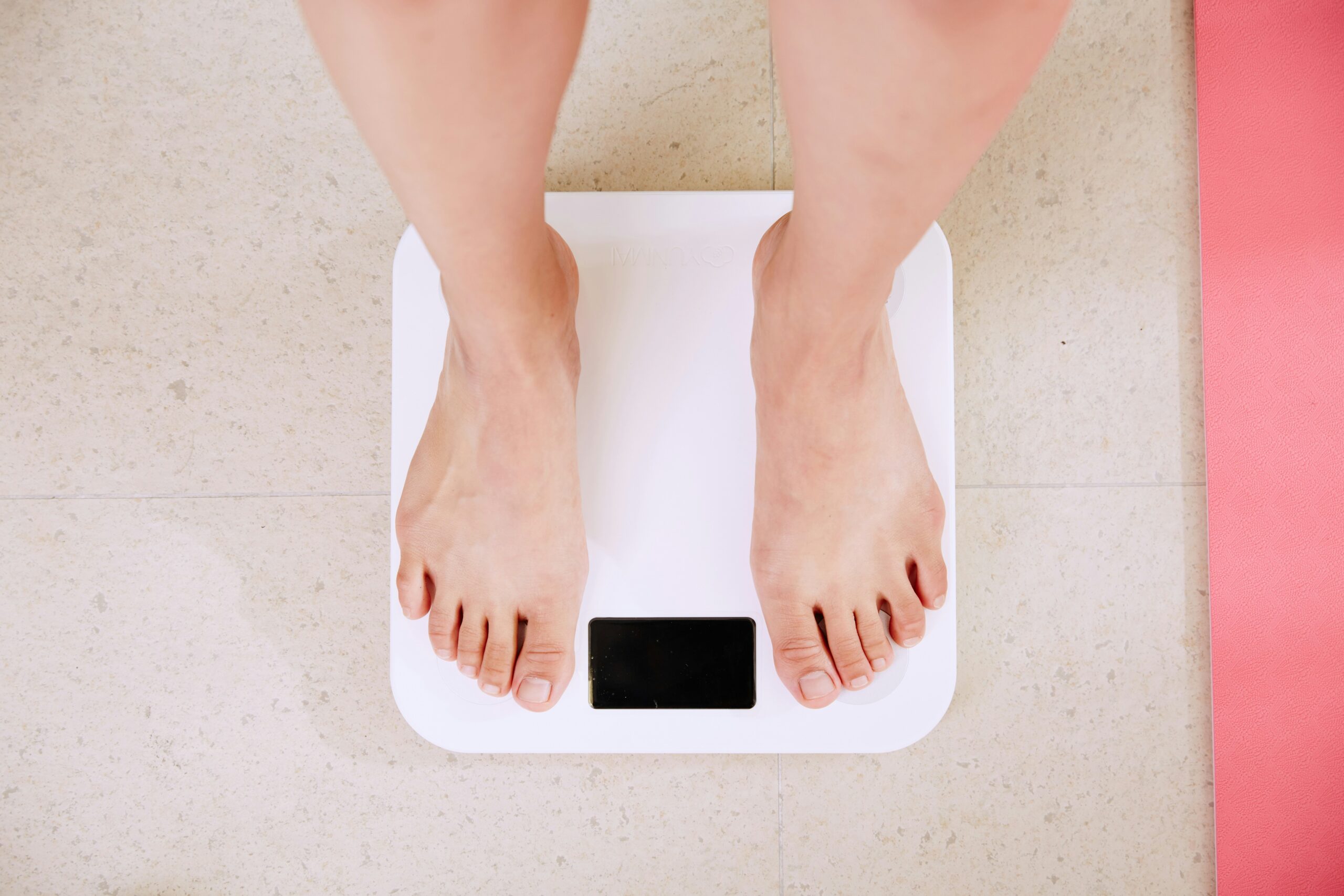
If you’re trying to lose weight after 50 and nothing is working anymore… you’re not imagining it.
You didn’t suddenly lose motivation.
You didn’t become lazy.
And you definitely didn’t forget how to diet.
For years, you probably knew exactly what to do — eat less, move more, and the scale would go down. But now the same habits barely change anything. You may even be eating healthier than ever and still stuck at the same number.
This is one of the most frustrating parts of midlife weight loss. What used to work… just stops working.
The truth is your body changed biologically.
After 50, fat loss is no longer just about calories. Hormones, muscle loss, blood sugar, and stress signals all begin controlling whether your body burns fat or stores it — especially around the belly.
The good news?
Once you understand what changed, weight loss becomes much easier again — and far less exhausting.
Let’s start with what is actually happening inside your body.
Table of Contents
The Truth: Your Body Is Different After 50
This is where many women blame themselves — but the real reason is physiology.
Your body is not broken.
It’s operating under a new set of rules.
Metabolism Naturally Slows
Starting in your 40s and accelerating in your 50s, you lose muscle each year unless you intentionally work to keep it.
Muscle is what burns calories all day long — even when you’re resting.
So when muscle decreases, your daily calorie burn quietly drops too.
That means the amount of food you could eat comfortably in your 30s is now enough to maintain weight instead of lose it.
This is why cutting calories harder often backfires.
Your body responds by conserving energy instead of burning fat.
Hormones Change Where Fat Is Stored
Before menopause, estrogen helped store fat in the hips and thighs.
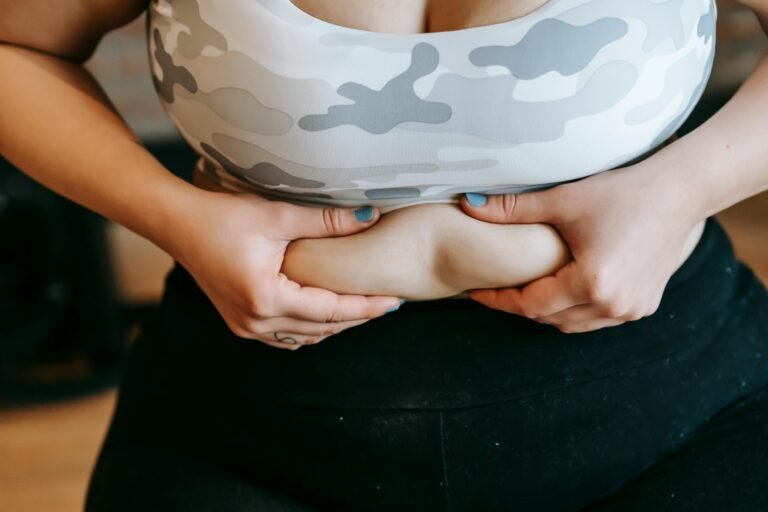
After menopause, the body shifts fat storage toward the abdomen.
This is why many women notice a growing belly even if their weight hasn’t changed dramatically.
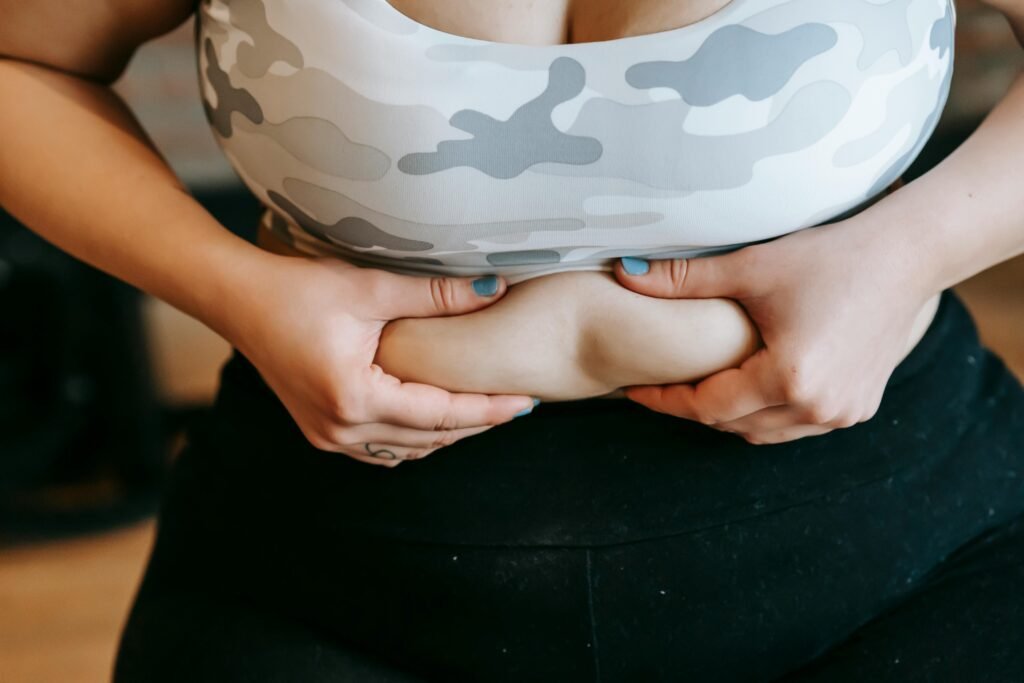
Belly fat after 50 is not just from eating too much — it’s hormonally directed storage.
Hunger Signals Become Louder
Two major hunger hormones — leptin and ghrelin — become less predictable with age.
You may notice:
more evening cravings
feeling hungry sooner after meals
less satisfaction after eating
This isn’t a lack of discipline.
Your brain is receiving stronger signals to eat while your metabolism is burning less energy.
In the next section, we’ll go deeper into the real daily habits that keep women stuck — even when they’re doing everything “right.”
The 5 Real Reasons You’re Not Losing Weight
Most women trying to lose weight after 50 are actually doing many healthy things — but a few hidden habits quietly block fat loss.
These aren’t obvious mistakes.
In fact, many were considered “good advice” for years.
1. You’re Losing Muscle Instead of Fat
Many women respond to a plateau by eating less.
The scale might drop at first… but what the body often burns is muscle, not fat.
After 50, the body protects fat stores more aggressively because it senses stress and energy shortage. Muscle becomes the easier fuel source.
The result:
metabolism slows further
weight loss stops
body becomes softer even if weight is lower
This is why strict dieting worked in your 20s and 30s but now leaves you stuck.
Fat loss now requires protecting muscle first.
2. Too Much Cardio, Not Enough Strength
Walking is wonderful for health — but it is no longer enough to drive fat loss by itself.
Many women increase cardio when weight won’t budge:
more steps
longer workouts
daily exercise
But without resistance training, the body adapts quickly and burns fewer calories doing the same activity.
Strength training sends a different message:
“Keep muscle. Burn fat.”
Even light weights or bodyweight exercises a few times a week can restart progress.
3. Eating Too Little Is Slowing Your Metabolism
This surprises almost everyone.
Constantly eating very low calories tells the body food is scarce.
Your metabolism responds by conserving energy.
Signs this may be happening:
cold often
tired easily
weight stuck despite dieting
evening cravings
Instead of burning fat, the body lowers calorie burn and increases hunger hormones — making weight loss feel impossible.
After 50, consistency works better than restriction.
4. Blood Sugar Spikes Are Blocking Fat Loss
Even healthy foods can keep fat locked if meals are unbalanced.
Meals mostly made of:
carbs alone
fruit by itself
snacks instead of meals
cause repeated blood sugar spikes followed by drops.
When insulin stays elevated, the body stays in storage mode rather than fat-burning mode.
Balancing meals with protein, fiber, and healthy fats helps your body access stored fat again.
5. Stress Hormones Are Storing Belly Fat
This is one of the biggest hidden factors.
Poor sleep, worry, over-exercise, and undereating all increase cortisol — the body’s survival hormone.
Cortisol encourages fat storage specifically around the abdomen because it provides quick emergency energy.
You can be eating healthy and still stuck if the body feels under constant stress.
Fat loss after 50 works best when the body feels safe, nourished, and consistent.
Now that you understand what’s blocking progress, the next step is simple:
changing a few key habits that signal your body to start burning fat again.
What Actually Works After 50 (The Fix)
The goal now isn’t to diet harder.
It’s to send your body the right signals so it feels safe burning stored fat again.
Small changes work far better than extreme plans — especially in midlife.
Prioritize Protein at Every Meal
Protein becomes the foundation of fat loss after 50.
It helps:
preserve muscle
control hunger
stabilize blood sugar
keep metabolism active
Many women eat most of their protein at dinner and very little earlier in the day. This leads to cravings and evening overeating.
A simple target:
Build each meal around a protein source first, then add everything else.
Examples:
eggs, yogurt, or cottage cheese in the morning
chicken, tuna, tofu, or beans at lunch
fish, poultry, or lean meat at dinner
You don’t need perfection — just consistency.
Lift Weights 2–3 Times Per Week
This is the closest thing to a “metabolism reset.”
Strength training tells your body:
keep muscle and burn fat instead
You do not need heavy gym workouts.
Even at home you can use:
light dumbbells
resistance bands
bodyweight movements (squats, wall pushups, step-ups)
Two to three short sessions per week is enough to start changing how your body uses calories all day long.
Walking is still wonderful — it just works best combined with strength.
Eat Consistently (Stop Extreme Dieting)
Long fasts and very low-calorie eating often increase stress hormones in midlife.
Instead of helping fat loss, the body slows metabolism to conserve energy.
A more effective approach:
regular meals
enough nourishment
predictable timing
When the body trusts food is coming, it releases stored energy more easily.
Stabilize Blood Sugar
Your body burns fat best when insulin stays steady.
An easy way to do this is by building balanced meals:
For example:
chicken + vegetables + olive oil
yogurt + berries + nuts
eggs + avocado + toast
Improve Sleep and Lower Stress
Fat loss hormones work at night.
Poor sleep increases hunger signals and raises cortisol — which directs fat toward the belly.
Helpful habits:
consistent bedtime
dim lights in evening
protein-balanced dinner
gentle evening routine
You don’t have to eliminate stress — just lower the constant pressure signals your body receives.
When these habits come together, the body gradually shifts from storage mode back into fat-burning mode.
Next, let’s put this into a simple daily routine you can realistically follow.

A Simple Daily Plan You Can Start Today
You don’t need a complicated program.
You need a repeatable rhythm your body can trust.
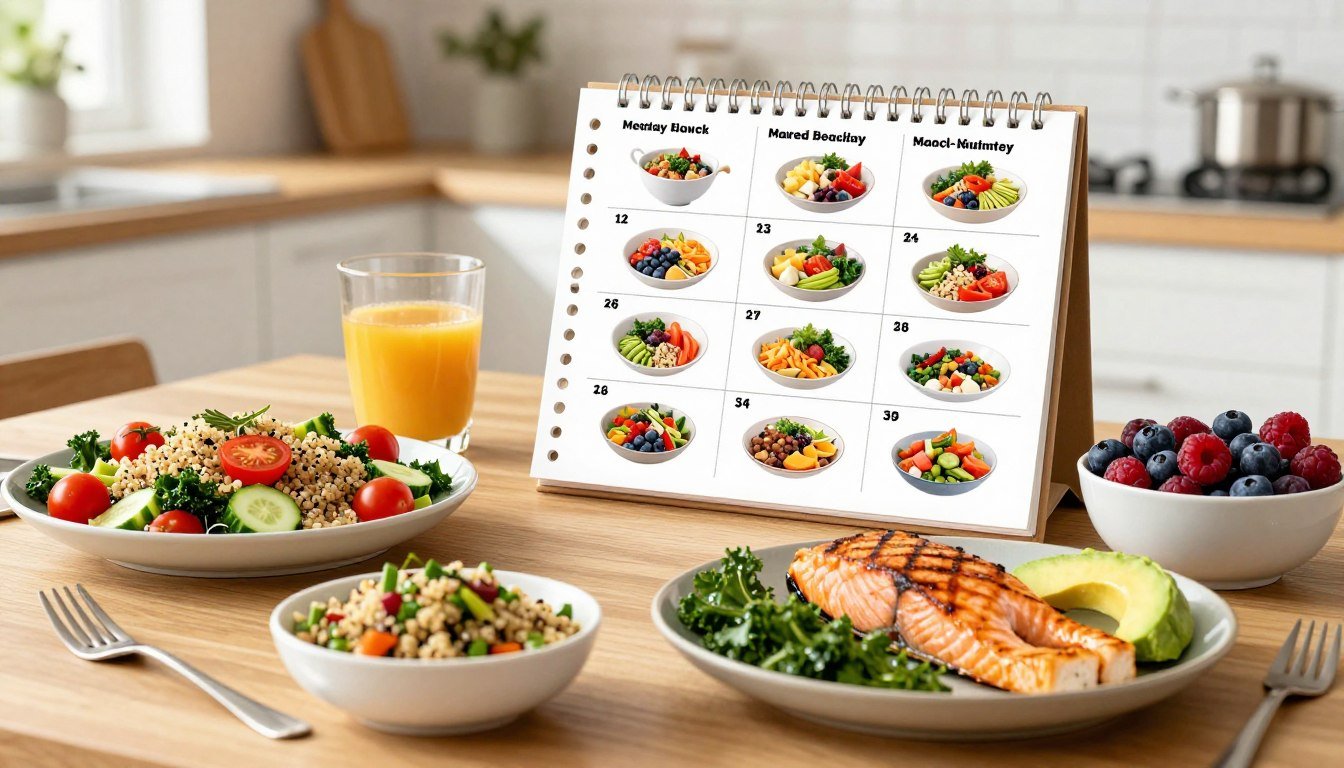
Here’s what a realistic fat-loss day after 50 can look like:
Morning
Eat a protein-based breakfast within a few hours of waking
Get light movement (walk, stretch, or mobility)
Hydrate before caffeine if possible
Goal: stabilize hunger hormones early
Example: eggs + fruit, yogurt + nuts, or cottage cheese + berries
Afternoon
Balanced lunch: protein + fiber + healthy fat
Short walk after eating (even 5–10 minutes helps blood sugar)
Avoid grazing — eat real meals
Goal: steady energy instead of crashes
Evening
Protein-centered dinner
Gentle activity (walk, chores, light stretching)
Reduce bright light before bed
Goal: prevent night cravings and support fat-burning hormones
Weekly Habit
Add 2–3 short strength sessions per week.
That alone can change how your body uses calories — even without eating less.
How Long Until Weight Loss Starts Again?
This is where many people quit too early.
After 50, the body improves internally first — the scale follows later.
Typical pattern:
Week 1–2
better energy
fewer cravings
improved digestion
Week 3–5
inches changing
clothes fitting differently
less bloating
Week 6–8
scale begins moving consistently
Fat loss becomes steady once hormones and metabolism feel stable again.
Frequently Asked Questions
Is it really possible to lose weight after 50?
Yes. The strategy just changes. The focus shifts from eating less to supporting muscle, hormones, and blood sugar balance.
How many calories should a woman over 50 eat?
There is no single number. Most women do better avoiding very low calorie intake and instead eating balanced meals that prevent metabolic slowdown.
What is the best exercise for women over 50?
A combination works best:
strength training a few times weekly
daily walking
gentle mobility
Strength training is the key factor that restores metabolism.
Why is my stomach bigger after menopause?
Hormonal changes direct fat storage toward the abdomen and increased cortisol makes the body store protective energy there.
Should women over 50 use intermittent fasting?
Some can, but long fasts often increase stress hormones and slow metabolism. Consistent nourishment works better for many women in midlife.
How much protein do I need after menopause?
Aim to include a protein source at each meal. Consistency matters more than exact numbers.
Encouraging Conclusion
If weight loss feels harder now, it’s not because you failed.
Your body simply changed its priorities — from fast burning to protection and stability.
When you work with those changes instead of against them, progress returns.
You don’t need extreme diets.
You don’t need endless workouts.
You need the right signals: nourishment, strength, balance, and consistency.
And once your body feels safe again, it will let go of the extra weight — gradually, naturally, and sustainably.
Amazon and the Amazon logo are trademarks of Amazon.com, Inc or it's affiliates.

- Best Foods to Boost Metabolism After 50 - March 8, 2026
- 7-Day Anti-Inflammatory Meal Plan for Women 50+ - March 8, 2026
- Weight Loss After 50 for Women: Why It Stops & Fixes - February 23, 2026
Related Posts
 Healthy Weight Loss for Women Over 40 (Simple & Sustainable)
Healthy Weight Loss for Women Over 40 (Simple & Sustainable) Losing weight after 40 can…
 Top 5 Weight Loss Myths, Debunked
Top 5 Weight Loss Myths , Debunked Weight loss is a topic that is often…
- Stop Overeating for Weight Loss
Stop Overeating for Weight Loss In a world bombarded with tempting treats and indulgent delights,…