7-Day Anti-Inflammatory Meal Plan for Women Over 50 Did you know nearly 80 percent of…
As an Amazon Associate I earn from qualifying purchases.
Navigating the unique nutritional needs of women over 50 requires a thoughtful approach to daily habits. As our bodies change, focusing on nutrient-dense ingredients becomes essential for maintaining energy and long-term vitality.
We have developed a comprehensive 30-day meal plan to simplify your nightly cooking routine. By prioritizing high-protein and anti-inflammatory choices, we aim to help you feel your absolute best every single day. Let us explore these evidence-based strategies together to transform your relationship with food and improve your overall well-being.
Key Takeaways
- Prioritize lean proteins to support muscle maintenance and metabolic health.
- Incorporate colorful vegetables to naturally reduce systemic inflammation.
- Simplify your kitchen routine with a structured 30-day guide.
- Focus on whole, unprocessed foods for sustained daily energy.
- Embrace sustainable habits that honor your body’s changing requirements.
Why High-Protein and Anti-Inflammatory Eating Matters After 50
Reaching our fifties brings a unique set of physiological changes that require us to rethink our daily habits. As we navigate this life stage, our bodies demand more intentional nutrition to maintain the energy and strength we desire. By focusing on healthy eating, we can support our long-term wellness and feel vibrant every day.
The Role of Protein in Muscle Preservation
One of the most significant shifts we face is the natural decline in muscle mass, often called sarcopenia. Prioritizing a high-protein diet is our best defense against this process. When we consume enough quality protein, we provide our bodies with the essential building blocks needed to maintain lean tissue.
- Supports muscle repair after daily activities.
- Helps maintain physical strength and independence.
- Promotes a feeling of fullness throughout the day.
Combating Chronic Inflammation Through Nutrition
Chronic inflammation is frequently a root cause of the fatigue and discomfort many women over 50 experience. By choosing anti-inflammatory foods, we can soothe our systems and reduce systemic stress. This approach to healthy eating is not just about restriction; it is about fueling our bodies with ingredients that promote healing.
We find that incorporating colorful, whole foods helps us manage inflammation effectively. This shift in our plates can lead to clearer skin, better digestion, and improved joint comfort. It is a powerful way to take control of our internal health.
Balancing Hormones and Metabolism
Hormonal fluctuations during this time often impact our metabolism and make weight management more challenging. A high-protein intake helps stabilize blood sugar levels, which is crucial for keeping our metabolism steady. When our hormones are balanced, we are better equipped to maintain a healthy weight without feeling deprived.
“The food we choose to eat is the most powerful tool we have to influence our long-term health and vitality.”
By understanding these biological shifts, we make informed decisions about our meals. Focusing on high-protein options and anti-inflammatory ingredients allows us to support our weight management goals. For women over 50, this is the foundation of a thriving, energetic life.
Essential Ingredients for Your Anti-Inflammatory Kitchen
Transforming your kitchen into a hub for health starts with selecting the right foundational ingredients. By stocking your pantry with nutrient-dense staples, you make healthy eating a seamless part of your daily routine. This proactive approach ensures that you always have the building blocks for delicious, healing meals at your fingertips.
Lean Protein Sources for Optimal Recovery
High-quality protein is essential for maintaining muscle mass and supporting metabolic health. We recommend prioritizing lean options that provide sustained energy without unnecessary additives. These proteins are the backbone of many anti-inflammatory recipes that keep you feeling satisfied throughout the day.
- Wild-caught poultry like chicken breast or turkey.
- Plant-based powerhouses such as lentils, chickpeas, and organic tofu.
- Sustainable white fish for a light yet filling dinner option.
The Power of Omega-3 Fatty Acids
Incorporating healthy fats is a cornerstone of effective nutrition. Omega-3 fatty acids are particularly famous for their ability to calm the body and support heart health. We suggest keeping these items stocked to boost the profile of your favorite dishes.
Try adding walnuts or ground flaxseeds to your morning oatmeal for a quick nutrient boost. For dinner, fatty fish like salmon or mackerel provide a rich source of these essential fats. These simple additions make healthy eating both easy and incredibly rewarding.
Colorful Vegetables and Antioxidant-Rich Herbs
A vibrant plate is usually a sign of a nutrient-dense meal. We encourage you to fill your kitchen with a rainbow of vegetables, as each color represents different phytonutrients. These antioxidants are vital for protecting your cells and reducing systemic stress.
Don’t forget to stock your spice rack with fresh or dried herbs. Ingredients like cilantro, parsley, and basil add incredible flavor to your recipes without the need for excess salt. Using these herbs is a simple way to elevate your nutrition while enjoying fresh, garden-inspired tastes.
Healthy Fats and Anti-Inflammatory Spices
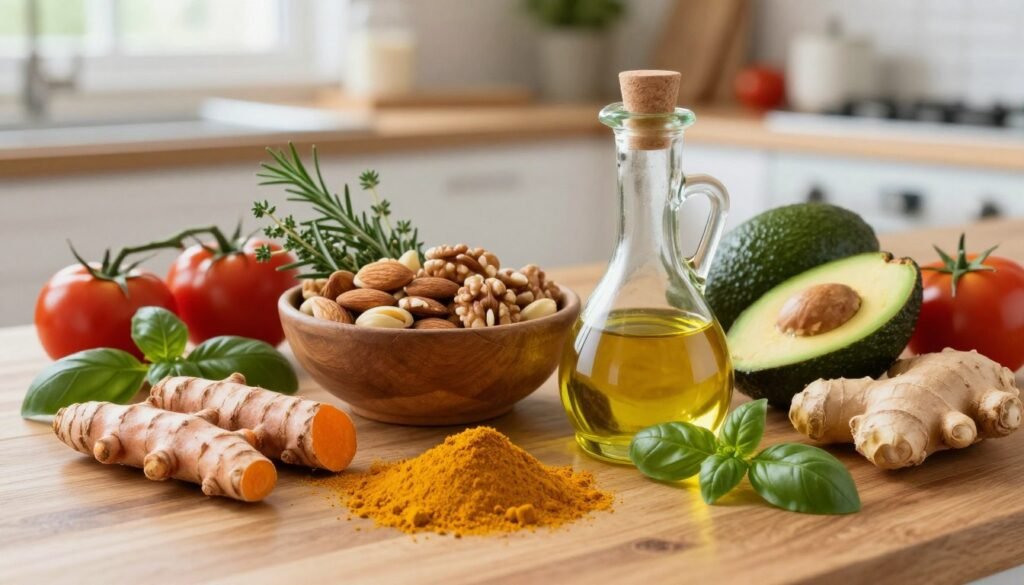
The final touch for your kitchen involves choosing the right oils and spices. Extra virgin olive oil remains a gold standard for its heart-healthy properties and versatility. When you pair this with potent spices, you create a powerful anti-inflammatory environment in your own home.
Consider keeping these staples on hand for daily use:
- Turmeric: Known for its active compound, curcumin, which helps soothe the body.
- Ginger: Perfect for adding a zesty kick to stir-fries and teas.
- Cinnamon: A wonderful addition to help balance blood sugar levels.
- Avocado Oil: A great high-heat option for roasting your favorite vegetables.
Your 30-Day High-Protein Anti-Inflammatory Meal Plan
Our structured approach turns complex dietary needs into simple, actionable steps for your kitchen. We have crafted this high-protein and anti-inflammatory guide specifically to support the unique physiological needs of women over 50. By following this carefully curated path, you can simplify your journey toward better health and sustainable weight management.
Week One: Establishing Your Foundation
The first seven days focus on building consistent habits that stabilize your energy levels. We introduce simple recipes that prioritize whole foods and nutrient density. This phase helps your body adjust to a cleaner way of eating without feeling overwhelmed.
Week Two: Incorporating Plant-Based Proteins
During the second week, we expand your palate by introducing diverse plant-based sources. You will discover how lentils, chickpeas, and quinoa provide excellent fuel while keeping inflammation at bay. These additions ensure your meal plan remains exciting and nutritionally diverse.
Week Three: Seafood and Lean Poultry Favorites
Midway through the month, we emphasize high-quality proteins like wild-caught salmon and organic chicken. These ingredients are essential for muscle preservation and recovery. You will find that these recipes are both satisfying and easy to prepare on busy weeknights.
Week Four: Sustaining Your Healthy Habits
The final week is all about long-term success and consistency. We focus on refining your routine so that these healthy choices become second nature. By now, you should feel more energized and confident in your approach to weight management.
Download Your Free Printable 30-Day Meal Plan
Want an easy-to-follow version? Download the FREE Printable 30-Day High-Protein Anti-Inflammatory Dinner Plan for Women Over 50 and keep it handy for your weekly grocery shopping. This resource is designed to keep you on track as you embrace a vibrant, healthier lifestyle.
Tips for Successful Meal Prep and Grocery Shopping
We believe that a successful journey toward better health starts with how you organize your kitchen. By dedicating a small amount of time each week to preparation, you can easily stick to your meal plan without feeling overwhelmed by daily chores.
Batch Cooking Strategies for Busy Evenings
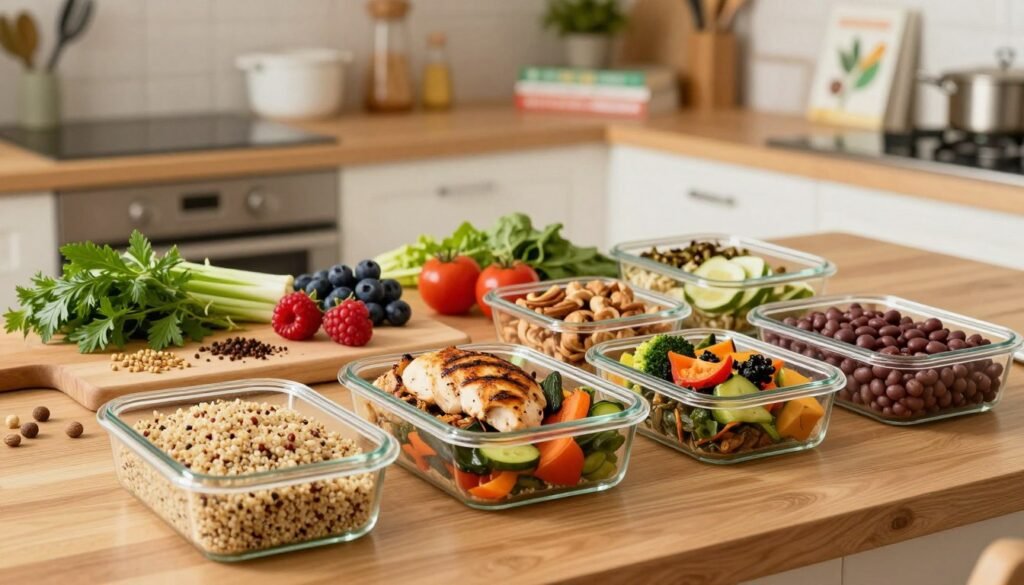
Batch cooking is a fantastic way to ensure you always have nutritious options ready. Instead of cooking every night, try preparing large portions of proteins or grains on Sunday. This approach allows you to mix and match different recipes throughout the week, saving you precious time.
Focus on versatile ingredients that serve as a base for multiple meals. For example, roasting a large tray of vegetables or poaching several chicken breasts provides a quick foundation for your dinner.
Preparation is the key to success in any endeavor,” as the old saying goes.
Smart Grocery Shopping for Budget and Health
Navigating the grocery store with a clear strategy helps you prioritize healthy eating while keeping your budget in check. We recommend making a list based on your planned meals to avoid impulse buys. Focus on the perimeter of the store where fresh, whole foods are typically located.
Buying in bulk can also save money on pantry staples like quinoa, lentils, and nuts. Look for seasonal produce to get the best quality at a lower price point. This simple habit ensures your kitchen remains stocked with high-quality, anti-inflammatory ingredients.
Storing and Reheating Your Dinners Safely
Proper storage is essential to keep your food tasting fresh and safe to eat. Use airtight glass containers to store your prepared recipes in the refrigerator or freezer. This prevents cross-contamination and helps maintain the texture of your ingredients.
When it comes time to reheat, use gentle methods like a stovetop or oven to preserve the nutrients. Avoid overheating, as this can diminish the quality of your healthy eating efforts. By following these steps, you ensure that every dinner is as delicious as the day it was cooked.
Conclusion
Adopting a high-protein and anti-inflammatory lifestyle serves as a powerful way to support your health as you navigate your fifties. We believe that consistent nutrition acts as the foundation for your long-term wellness.
By utilizing the tools in our 30-day plan, you take a proactive step toward effective weight management. Small shifts in your daily habits create significant changes in how your body functions over time.
We hope this guide empowers you to feel confident in the kitchen. You deserve to feel energized by the meals you prepare for yourself each day.
Every choice you make contributes to a vibrant future for your body and mind. Share your favorite recipes with friends or join a local wellness group to keep your motivation high.
Your journey toward better health starts with the very next meal you choose to cook. We look forward to hearing about your progress as you embrace these nourishing habits.
FAQ
Why is a high-protein diet specifically recommended for women over 50?
As we age, our bodies naturally begin to lose muscle mass, a process known as sarcopenia. We focus on high-protein intake because it is essential for muscle preservation and maintaining a healthy metabolism. By prioritizing protein in our 30-day meal plan, we help our bodies stay strong, support weight management, and ensure we have the energy needed for an active lifestyle.
How do anti-inflammatory ingredients improve my daily well-being?
Chronic inflammation can often be the hidden culprit behind joint pain, fatigue, and digestive issues. Our recipes incorporate anti-inflammatory powerhouses like turmeric, ginger, and leafy greens to help soothe the body. By focusing on healthy eating patterns that reduce inflammation, we can improve our sleep quality, skin health, and overall vitality.
What are the best lean protein sources to include in my grocery shopping list?
We recommend filling your cart at stores like Whole Foods or Trader Joe’s with high-quality lean protein sources. Excellent options include wild-caught salmon (rich in Omega-3 fatty acids), organic chicken breast, turkey, and plant-based proteins like lentils or chickpeas. Brands like Wild Planet offer great sustainably sourced seafood options that fit perfectly into our nutrition goals.
Can this meal plan really help with weight management during menopause?
Yes! Many of us find that weight management becomes more challenging due to shifting levels of estrogen. Our meal plan is designed to balance hormones by combining high-protein foods with high-fiber colorful vegetables. This combination keeps us feeling full longer and prevents the blood sugar spikes that lead to unwanted weight gain.
Do you have tips for someone with a busy schedule who wants to start meal prepping?
We are big believers in batch cooking to save time! We suggest using an Instant Pot or a slow cooker to prepare large portions of grains or proteins on Sundays. Storing your anti-inflammatory dinners in high-quality glass containers from Pyrex ensures they stay fresh and are easy to reheat safely throughout the week.
Are there specific healthy fats I should use for cooking?
Absolutely. To maintain an anti-inflammatory kitchen, we recommend swapping out processed vegetable oils for healthy fats. We love using California Olive Ranch Extra Virgin Olive Oil for dressings and low-heat cooking, or avocado oil for higher temperatures, as these provide the monounsaturated fats our hearts and brains need.
How can I ensure I’m getting enough antioxidants in my dinners?
The easiest way to boost your nutrition is to “eat the rainbow.” We aim to include at least three different colors of vegetables in every dinner. These pigments represent different antioxidants that protect our cells from damage. Adding fresh herbs like parsley, cilantro, or rosemary to your recipes also provides a concentrated dose of protective phytonutrients.
Amazon and the Amazon logo are trademarks of Amazon.com, Inc or it's affiliates.

Karen is the creator of EatMoveHealthy.com and holds a Master’s degree in Health and Human Performance. She shares practical wellness advice, healthy recipes, and lifestyle tips to help women over 40 build sustainable healthy habits.
Latest posts by Karen Lessord (see all)
- 30 High-Protein Anti-Inflammatory Dinners for Women Over 50 (30-Day Meal Plan) - June 24, 2026
- Why Women Over 50 Gain Belly Fat (And What Actually Helps) - June 21, 2026
- Why Sprouts Are a Superfood - May 1, 2026